Case Study
Walking the Store: Turning UX Audits into a Team Ritual
At AppFolio, I introduced “Walking the Store”, a UX auditing practice inspired by retail merchandising, to improve product quality and collaboration. Through quarterly UX audits, we identified and fixed key usability issues, increased our Single Usability Metric (SUM) by 68%, and strengthened cross-functional empathy between design, engineering, and product.
Type
Company
Tools
Facilitation Framework
AppFolio
Figjam, Coda
Step 3: Walking the Store (Together)
I scheduled a one-hour session with our developers, QA, product manager, and stakeholders. During the meeting, one team member played the role of the user and shared their screen as we “walked” through each step in the onboarding flow — from invite to setup.
We treated it like a usability test for our own product. I took notes in real time, logged issues, and recorded the session so others could watch later.
Step 4: Logging Paper Cuts
Paper cuts are any “rough edges” in the user experience. We used Nielsen’s heuristics as a guideline to help the team recognize usability issues in our feature.
Within that first walkthrough, we uncovered:
- Several small paper cuts (micro-frictions) that slowed users down
- A couple of form bugs related to field validation
- And a 2FA flow issue that confused even our internal team
Step 5: Prioritizing User Stories
After the session, we transferred our “paper cuts” into JIRA as cards under a new “UX Audit” epic. Over time, we tracked which issues were fixed, which remained, and which needed reprioritization in the next quarter’s audit. This continuous loop helped us measure tangible improvements instead of one-off wins.

The Results
The impact was immediate:
🐞 Bugs fixed before they reached production
💡 Single Usability Metric (SUM) score improved by 68%
💰 Conversion rates and revenue for Vendor Pay increased
The best part? The team loved it.
In retros, people mentioned how refreshing it was to see the experience together instead of just talking about it. It strengthened empathy across disciplines — engineers saw pain points firsthand, and designers gained new allies in advocating for quality.
Step 6: Making It a Ritual
After seeing the impact, I turned “Walking the Store” into a quarterly recurring event on our team calendar.
We already had retros, grooming, and sprint planning — so why not make UX auditing part of our operating rhythm too? Each quarter, we’d revisit the same journeys, check our improvements, and uncover new opportunities.
It became a rhythm that kept our UX quality high and our collaboration strong.

Walking the Store — On Tour
In early 2025, I had the opportunity to share this practice with the wider UX community.
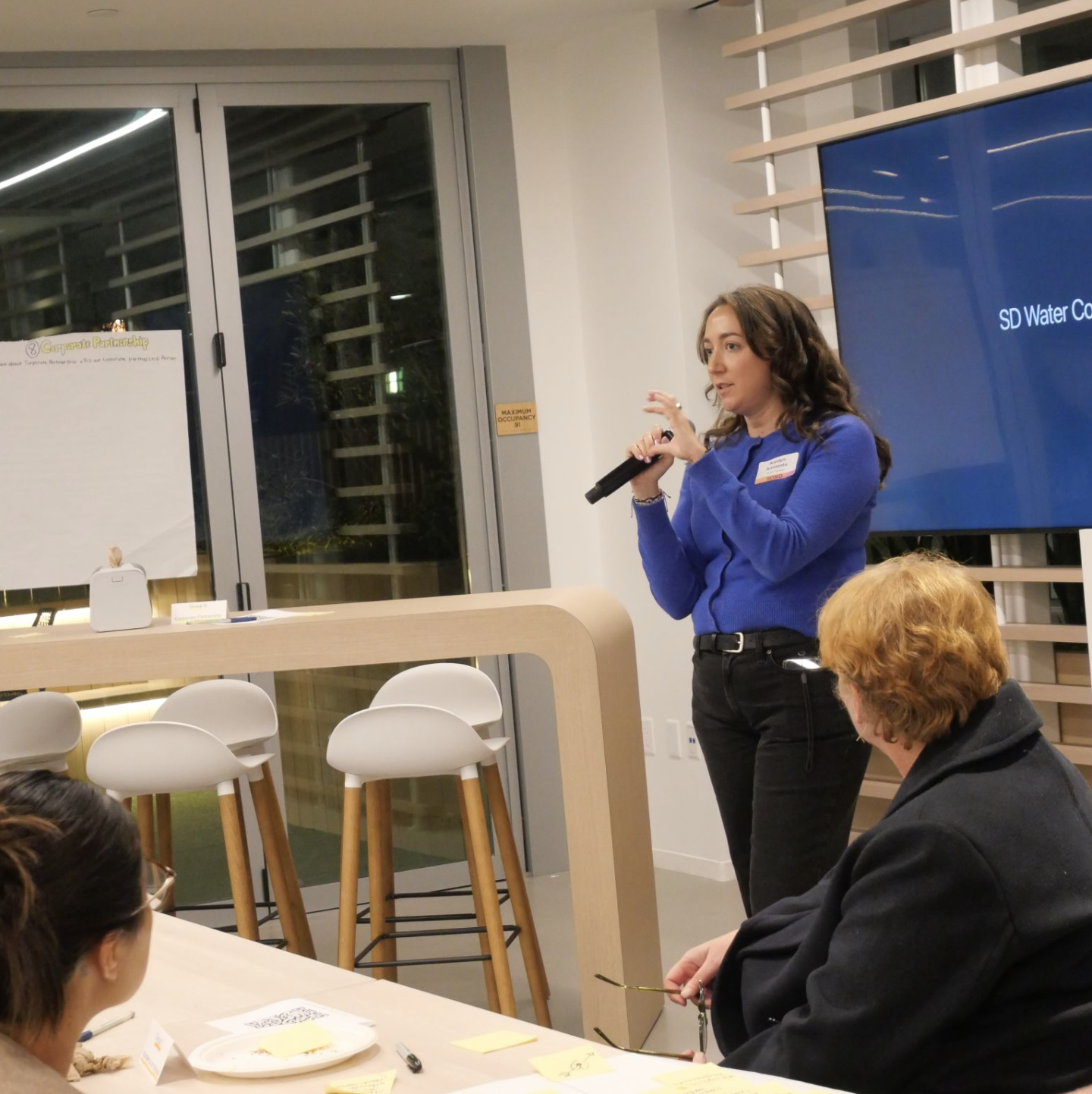
An old colleague invited me to speak at SDXD, the San Diego UX organization. I created a FigJam template, designed a presentation deck, and led an in-person workshop with 50 UX designers.
Together, we “Walked the Store” through the Feeding San Diego website — identifying usability gaps and brainstorming improvements. I later shared the team’s findings with the organization’s marketing director, turning the exercise into real community impact.